

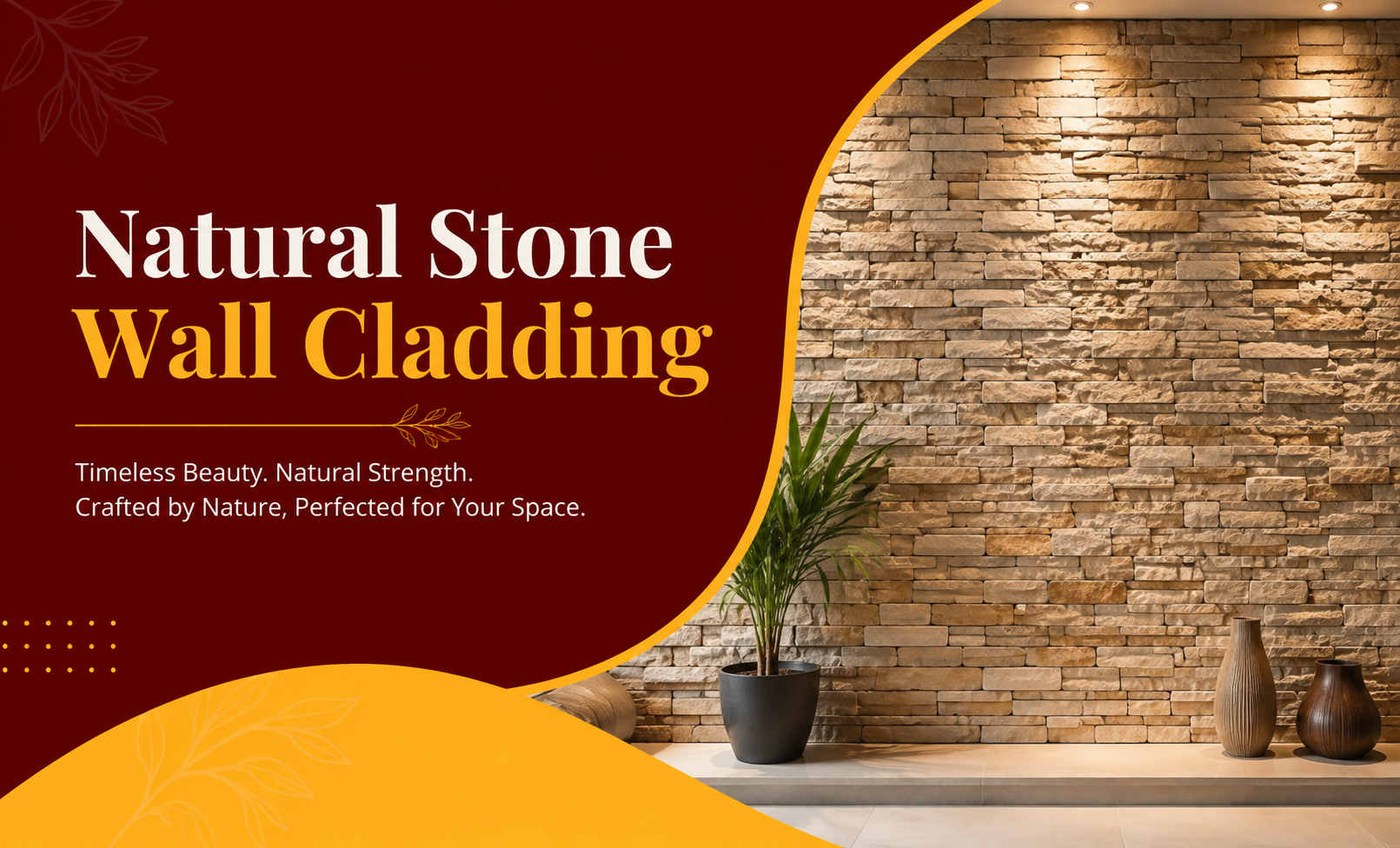
Natural stone wall cladding is becoming an increasingly popular choice for homeowners, architects, interior designers, builders, and commercial property owners looking to add texture, character, and a timeless appearance to their spaces. From modern home elevations and villa exteriors to living room feature walls, hotel entrances, office receptions, and landscape walls, natural stone wall cladding can transform an ordinary surface into a distinctive architectural feature.
Unlike flat painted walls or conventional decorative finishes, natural stone brings genuine variation in colour, texture, pattern, and surface character. Every piece can have subtle differences, making a natural stone wall feel more organic and visually interesting.
For projects in Chennai, selecting the right natural stone wall cladding in Chennai also means considering the location of the wall, exposure to weather, moisture, maintenance requirements, architectural style, and the overall colour palette of the property.
In this guide, we explore what natural stone wall cladding is, why it is popular, where it can be used, different stone wall cladding designs, and how to choose the right wall cladding stone in Chennai for residential and commercial projects.
What Is Natural Stone Wall Cladding?
Natural stone wall cladding is the application of natural stone pieces, tiles, panels, or other suitable stone formats over a wall surface to create a decorative and architectural finish.
Depending on the product and project requirements, natural stone cladding can be available in different sizes, thicknesses, textures, colours, patterns, and finishes. Some products are supplied as individual pieces, while others are manufactured as interlocking or mesh-mounted panels to simplify installation.
Natural stone cladding can be used on both interior and exterior walls, although the appropriate stone, installation method, surface preparation, and maintenance requirements depend on the application.
Common applications include:
- Exterior house elevations
- Villa façades
- Compound and boundary walls
- Living room feature walls
- TV walls
- Hotel and resort façades
- Restaurant interiors
- Office reception areas
- Staircase walls
- Garden walls
- Pillars and columns
- Entrance walls
- Landscape features
The natural variation in stone makes it particularly suitable for projects where designers want depth and texture rather than a completely uniform wall surface.
Why Choose Natural Stone Wall Cladding?
One of the biggest advantages of natural stone wall cladding is its ability to combine aesthetics with practical performance when the correct stone and installation system are selected.
1. Creates a Natural and Premium Appearance
Natural stone can immediately add visual depth to a wall. Its texture and colour variation can make a simple elevation look more architectural without requiring complicated decorative elements.
For modern homes, a textured stone wall can create contrast against smooth plaster, glass, wood, metal, or concrete. For traditional properties, natural stone can complement earthy colours and classic architectural elements.
This makes stone wall cladding suitable for a wide range of design styles.
2. Offers Unique Texture and Colour Variation
Unlike printed surfaces designed to reproduce the same pattern repeatedly, natural stone has inherent variation.
Depending on the stone, you may see differences in:
- Colour
- Grain
- Texture
- Veining
- Surface relief
- Natural markings
This variation contributes to the authentic appearance of a natural stone wall.
For example, Maa Dunja Stone’s natural sandstone wall panels include earthy tones and natural rock-face textures, making them suitable for creating warm and textured wall surfaces.
3. Suitable for Interior and Exterior Applications
One reason natural stone cladding is popular is its versatility.
Depending on the specific stone and technical suitability, interior stone cladding can be used for feature walls, TV walls, living rooms, foyers, staircases, and other decorative surfaces.
Similarly, exterior stone cladding can be used for front elevations, boundary walls, pillars, entrance areas, and selected outdoor architectural features.
However, the fact that a stone is natural does not automatically mean that every stone or finish is suitable for every application. Selection should be based on the project’s environmental conditions and installation requirements.
Natural Stone Wall Cladding Ideas for Modern Homes
Modern residential architecture often combines simple forms with contrasting materials. This creates an excellent opportunity to use natural stone as an accent rather than covering every wall.
Here are some popular natural stone wall cladding ideas for homes.
1. Front Elevation Wall Cladding
The front elevation is one of the most visible parts of a home, making it an ideal location for stone cladding.
A carefully selected front elevation stone can highlight specific architectural sections such as:
- Main entrance walls
- Balcony backgrounds
- Vertical architectural elements
- Window surrounds
- Porch walls
- Feature sections
Instead of covering the entire façade with stone, designers can use stone wall cladding selectively to create contrast.
For example, a neutral plaster finish combined with a darker textured stone can create a contemporary appearance.
2. Living Room Feature Walls
A living room feature wall is one of the most common applications for interior stone cladding.
Natural stone can be used behind:
- Sofas
- Television units
- Decorative lighting
- Artwork
- Console tables
- Display shelves
The texture of the stone becomes a visual focal point while the rest of the room can remain relatively simple.
3. TV Wall Cladding
A TV wall is another popular application for natural stone wall cladding designs.
Stone can provide a textured background that contrasts with the smooth surface of a television and modern furniture.
Dark grey, charcoal, brown, beige, and earthy stone tones can work particularly well with contemporary interiors.
However, the stone should complement—not compete with—the television and surrounding furniture.
4. Staircase Walls
The staircase often contains large vertical wall surfaces that can otherwise look plain.
Using natural stone cladding for staircase walls can add texture and create a strong architectural connection between different floors.
Directional lighting can also be used to highlight the texture of the stone.
5. Garden and Landscape Walls
Natural stone works naturally with outdoor landscaping.
Garden walls, seating areas, planters, boundary features, and outdoor architectural elements can incorporate natural stone wall cladding to create visual continuity between built structures and surrounding greenery.
The choice of stone should be appropriate for the intended outdoor environment and installation conditions.
Natural Stone Cladding for Commercial Spaces
Natural stone wall cladding is not limited to residential architecture. It can also create a strong visual identity for commercial properties.
Hotels and Resorts
Hotels and resorts often use natural materials to create a welcoming and premium atmosphere.
Exterior stone cladding can be used around entrances, façades, landscape structures, and feature walls.
Inside the property, interior stone cladding can be used in:
- Reception areas
- Lobby walls
- Restaurants
- Corridors
- Lounge areas
- Feature backgrounds
Natural textures can help create an earthy, luxurious, or resort-inspired atmosphere.
Restaurants and Cafés
Restaurants increasingly use textured materials to create memorable interiors.
A natural stone feature wall can become a backdrop for signage, lighting, artwork, or seating.
The right stone can complement wooden furniture, metal finishes, exposed concrete, or warm lighting.
Offices
In offices, stone cladding can be used selectively around:
- Reception desks
- Waiting areas
- Meeting rooms
- Brand walls
- Executive spaces
A stone feature wall can create a more sophisticated first impression without requiring the entire office to use stone.
Retail Spaces
Retail stores can also use stone wall cladding designs to reinforce a particular brand aesthetic.
For example, earthy stone textures can complement furniture, fashion, lifestyle, jewellery, hospitality, or natural-product brands.
Interior vs. Exterior Stone Cladding
One of the most important considerations when choosing natural stone wall cladding is whether the application is indoors or outdoors.
Interior Stone Cladding
Interior applications are generally more controlled because the stone is not directly exposed to rain, strong sunlight, or outdoor pollution.
Common interior applications include:
- Living room walls
- TV walls
- Bedrooms
- Foyers
- Staircases
- Restaurant interiors
- Reception walls
- Decorative panels
For indoor applications, designers may focus heavily on colour, texture, pattern, lighting, and compatibility with the surrounding décor.
Exterior Stone Cladding
Exterior applications require more attention to environmental exposure and installation.
Exterior stone walls may experience:
- Rain
- Sunlight
- Dust
- Humidity
- Temperature variation
- Wind
- Pollution
Therefore, selecting an appropriate stone and installation system is important.
For Chennai projects in particular, local environmental conditions should be considered before finalising the stone. Some Chennai suppliers specifically recommend appropriate sealing for exterior natural stone because humidity, monsoon exposure, and coastal conditions can contribute to moisture-related issues such as staining, efflorescence, or biological growth.
Popular Natural Stone Wall Cladding Designs
There is no single definition of a good stone wall cladding design. The best design depends on the architecture and desired visual effect.
Split-Face and Rock-Face Textures
Split-face or rock-face surfaces provide a pronounced texture.
They are particularly useful when the objective is to create a strong feature wall or a visually dramatic elevation.
For example, Maa Dunja Stone’s Teak Wood Rock Face sandstone panel uses a natural split/rock-face finish with warm yellow, beige, and light-brown tones.
Stacked Stone Designs
Stacked stone arrangements create horizontal or layered visual lines.
They can work particularly well for:
- Modern façades
- Feature walls
- Entrance walls
- Fireplace surrounds
- Commercial interiors
Mosaic Stone Patterns
Mosaic stone can create smaller-scale patterns and detailed surfaces.
Different shapes and colour combinations can be used to create decorative walls, accents, backsplashes, and other architectural features.
Natural quartzite mosaic products, for example, can combine multiple earthy tones within a single surface, creating natural variation rather than a completely uniform appearance.
Random Stone Patterns
Random patterns can produce a more organic and rustic appearance.
They are particularly useful when the design objective is to avoid overly geometric lines.
Linear Stone Patterns
Long, narrow stone pieces can create horizontal lines and a contemporary appearance.
This approach works particularly well in modern architectural designs where clean horizontal elements are already present.
How to Choose the Right Wall Cladding Stone in Chennai
If you are searching for wall cladding stone in Chennai, do not select a product based only on colour or appearance.
Consider these factors before making a decision.
1. Identify the Application
First determine where the stone will be installed.
Is it for:
- Interior walls?
- Exterior elevation?
- Boundary wall?
- TV wall?
- Commercial façade?
- Garden wall?
- Pillar?
- Reception area?
The application will influence your stone selection.
2. Consider Weather Exposure
For exterior applications, understand how much exposure the wall receives.
A covered entrance and a fully exposed exterior wall may have different requirements.
In Chennai, coastal proximity, humidity, rainfall, and environmental exposure can be relevant considerations when selecting materials and installation practices.
3. Match Stone Colour With the Architecture
Do not choose stone colour in isolation.
Consider:
- Exterior paint
- Flooring
- Windows
- Doors
- Roofing
- Furniture
- Lighting
- Landscape elements
Earthy beige and brown stones can create a warm appearance, while grey and darker stones can create a more contemporary look.
4. Think About Texture
Texture affects how the wall looks under different lighting conditions.
A highly textured stone may create dramatic shadows, while a smoother surface can produce a more subtle appearance.
Always consider the viewing distance and size of the wall.
5. Check Installation Requirements
The wall substrate must be suitable for the selected cladding system.
Surface preparation, bonding materials, joint treatment, mechanical support where required, and other installation details should be determined according to the specific stone and project conditions.
A good-looking stone can still perform poorly if the installation is inappropriate.
Natural Stone Wall Cladding and Chennai’s Climate
For anyone specifically searching for natural stone wall cladding Chennai, climate should be part of the selection process.
Chennai experiences a warm climate with periods of high humidity and significant rainfall. Properties closer to the coast can also face additional environmental exposure.
This does not mean that natural stone cannot be used in Chennai. Instead, it means the stone, finish, installation, drainage, and maintenance should be considered as part of the complete system.
For exterior applications, appropriate sealing may help reduce water absorption and staining, but sealing requirements depend on the stone and its intended use.
It is also important not to assume that every natural stone has identical water absorption, durability, or maintenance requirements.
Always ask the supplier for product-specific recommendations before installation.
How to Maintain Natural Stone Wall Cladding
One of the advantages of natural stone is that maintenance can be relatively straightforward when the material has been correctly selected and installed.
However, natural stone should not be treated as completely maintenance-free.
For regular maintenance:
- Remove accumulated dust periodically.
- Use suitable stone-safe cleaning products.
- Avoid aggressive acidic cleaners unless specifically recommended for the stone.
- Inspect exterior walls periodically.
- Check for moisture-related staining.
- Monitor joints and installation areas.
- Follow the supplier’s recommendations regarding sealing.
Exterior stone surfaces may require more frequent cleaning than indoor walls because they are exposed to dust, pollution, rain, and biological growth.
Common Mistakes to Avoid When Choosing Stone Wall Cladding
Choosing the right natural stone wall cladding is about more than selecting an attractive sample.
Mistake 1: Choosing Only Based on Appearance
A stone may look beautiful in a showroom but may not be appropriate for the intended application.
Always consider technical suitability along with appearance.
Mistake 2: Ignoring the Wall Substrate
The existing wall must be properly assessed before installation.
Poor surface preparation can affect the performance of the cladding system.
Mistake 3: Using the Same Stone Everywhere
Covering every surface with the same stone can sometimes make a design look visually heavy.
Selective application often creates a more balanced architectural appearance.
Mistake 4: Ignoring Lighting
Stone texture changes significantly under lighting.
Before finalising a stone wall cladding design, consider how natural and artificial light will fall on the surface.
Mistake 5: Choosing Without Considering Maintenance
Outdoor stone can collect dust and moisture-related deposits.
Ask about cleaning, sealing, and maintenance before making your final decision.
Why Natural Stone Works So Well With Modern Architecture
Modern architecture often relies on a combination of contrasting materials.
Natural stone can provide the texture that smooth materials lack.
For example, a contemporary home may combine:
Concrete + Glass + Wood + Natural Stone
The contrast between smooth and textured surfaces creates visual depth.
This is one reason natural stone wall cladding designs continue to work across different architectural styles.
A dark stone wall can create a dramatic contemporary appearance.
A warm sandstone can create an earthy and welcoming environment.
A lighter natural stone can complement minimalist architecture.
The objective is not necessarily to use the most expensive-looking stone. It is to select a stone that works with the overall design.
Natural Stone Wall Cladding for Front Elevations
Front elevation design is one of the strongest applications for stone cladding.
A natural stone front elevation can highlight architectural features without requiring complete façade coverage.
Some common approaches include:
Full Feature Section
Use stone on one major wall or vertical section while keeping the rest of the elevation simple.
Entrance Highlight
Use wall cladding stone around the main entrance to create a visual focal point.
Balcony Background
Stone can be used behind a balcony or upper-level feature to add depth.
Pillar Cladding
Cladding selected columns or pillars can create a stronger structural appearance.
Boundary Wall Integration
The same stone can be used on selected sections of the boundary wall to visually connect the exterior landscape with the main building.
Choosing a Natural Stone Supplier
The supplier you choose can have a significant impact on the final result.
When comparing natural stone suppliers, consider:
- Product range
- Stone origin
- Available sizes
- Surface finishes
- Application suitability
- Product consistency
- Sample availability
- Packaging
- Delivery capability
- Installation guidance
- Project requirements
For larger residential or commercial projects, request samples before placing a bulk order.
A physical sample can help you evaluate the actual colour and texture under your project’s lighting conditions.
Why Choose Maa Dunja Stone for Natural Stone Solutions?
Maa Dunja Stone offers natural stone products for architectural and decorative applications, including natural sandstone wall panels and mosaic stone products.
Its product range includes options such as Teak Wood Rock Face sandstone wall panels and Jack Black sandstone wall panels, each offering different colours, textures, and design characteristics for cladding applications.
For a project requiring natural stone wall cladding, the right product should be selected according to the application, design objective, environmental exposure, and installation requirements.
Whether you are designing a modern villa, renovating a living room, creating a commercial entrance, or developing a hospitality project, natural stone can provide a distinctive architectural finish.
Frequently Asked Questions About Natural Stone Wall Cladding
1. What is natural stone wall cladding?
Natural stone wall cladding is a decorative and architectural wall finish created by installing suitable natural stone pieces, tiles, panels, or other stone formats over a wall surface. It can be used for both interior and exterior applications depending on the stone, installation method, and project conditions.
2. Can natural stone wall cladding be used for exterior walls in Chennai?
Yes, suitable natural stone can be used for exterior walls in Chennai. However, the stone should be selected according to the application’s exposure to rain, humidity, sunlight, and other environmental conditions. Proper surface preparation, installation, drainage, and—where appropriate—sealing are also important considerations.
3. Where can interior stone cladding be used?
Interior stone cladding can be used on living room feature walls, TV walls, foyers, staircases, restaurant interiors, office reception areas, bedrooms, and other suitable decorative surfaces. The stone should be selected based on the specific indoor environment and maintenance requirements.
4. Is natural stone wall cladding suitable for modern homes?
Yes. Natural stone wall cladding can work particularly well in modern homes because it adds natural texture and contrast to materials such as concrete, glass, wood, metal, and painted surfaces. It can be used selectively on front elevations, entrance walls, TV walls, balconies, staircases, and other feature areas.
5. How do I choose the best wall cladding stone in Chennai?
Start by identifying the application—interior, exterior, elevation, boundary wall, TV wall, commercial façade, or landscape feature. Then consider stone type, colour, texture, weather exposure, maintenance, installation requirements, and compatibility with the overall architecture. For Chennai projects, environmental exposure and moisture management should also be considered.
Final Thoughts
Natural stone wall cladding offers a practical way to add texture, depth, character, and natural beauty to residential and commercial architecture.
From front elevation stone and exterior façades to interior stone cladding, TV walls, staircase walls, hotel lobbies, restaurants, office receptions, and landscape features, the applications are extensive.
For homeowners, architects, builders, and designers searching for natural stone wall cladding in Chennai, the key is not simply finding the most attractive stone. The right choice should balance appearance, application, environmental exposure, installation, maintenance, and overall architectural design.
A well-selected and properly installed stone wall can become more than a decorative surface—it can become one of the defining visual elements of a property.
Explore natural stone options from Maa Dunja Stone to find wall cladding solutions suited to your next residential, commercial, or architectural project.