

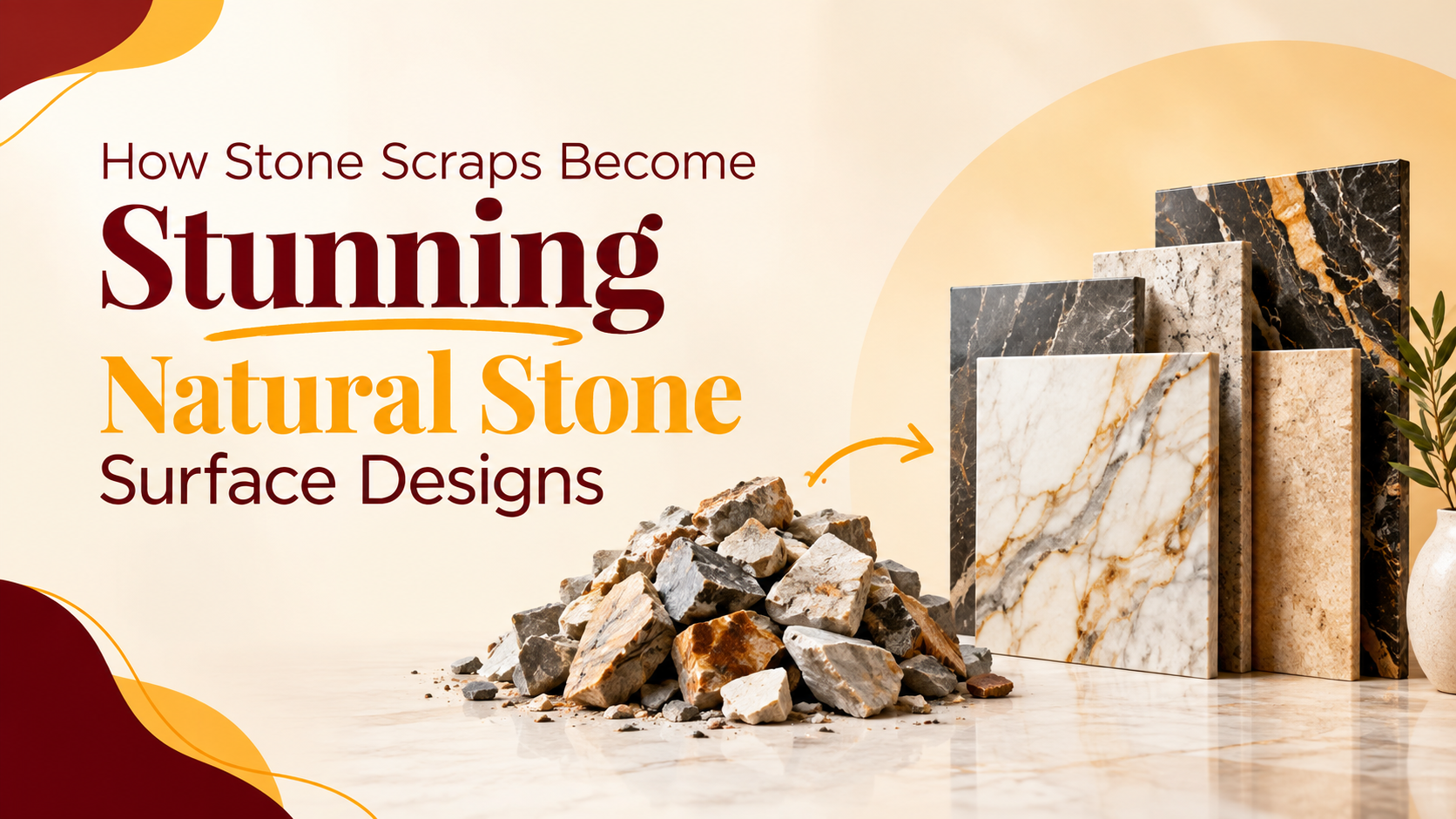
Natural stone has always been valued for its strength, character, texture, and timeless beauty. But when natural stone is cut, shaped, or processed for different architectural projects, not every piece becomes a large slab or standard-sized tile. Smaller pieces, cut-offs, irregular fragments, and leftover sections can also become valuable materials for creating unique architectural and decorative surfaces.
This is where creative stone processing makes a difference.
Instead of treating every small stone piece as waste, these pieces can be carefully selected, shaped, arranged, and transformed into attractive natural stone mosaics, decorative stone surfaces, crazy stone patterns, feature walls, wall cladding, landscape applications, and other architectural designs.
This approach gives architects, interior designers, builders, landscapers, and homeowners more opportunities to create distinctive surfaces while making better use of natural stone.
From residential interiors to commercial buildings, hotels, restaurants, resorts, offices, entrances, gardens, and exterior walls, smaller natural stone pieces can be transformed into surfaces with exceptional visual character.
For projects in Kochi, Kolkata, and Thrissur, these stone solutions can be especially useful for creating natural-looking architectural finishes that complement both modern and traditional design styles.
In this guide, we explore how smaller natural stone pieces can be transformed into beautiful surfaces, where they can be used, which designs are popular, and how architects and designers can incorporate these materials into their projects.
What Happens to Small Pieces of Natural Stone?
Natural stone is processed in many different ways depending on its intended application.
During cutting, shaping, trimming, and installation, stone pieces may be produced in different sizes and shapes. Not every piece will have the dimensions required for a standard tile or slab.
However, being smaller does not necessarily mean that a stone piece has lost its value. Small stone pieces can have:
- Natural colour variation
- Attractive textures
- Distinctive patterns
- Natural edges
- Different surface finishes
- Unique shapes
- Individual characteristics
When these pieces are carefully selected and arranged, they can become part of a completely new stone product or design.
This is one of the reasons natural stone mosaic, stone mosaic designs, crazy stone, and other irregular stone applications have become popular among designers looking for surfaces with more character.
Rather than creating a perfectly uniform surface, smaller stone pieces can create a design that feels organic and naturally varied.
From Small Stone Pieces to New Stone Designs
The transformation of smaller natural stone pieces involves more than simply placing random stones together.
Depending on the final product, stone pieces can be selected according to their:
- Colour
- Thickness
- Shape
- Texture
- Size
- Surface finish
- Pattern
- Intended application
They can then be arranged to create a specific visual effect.
For example, smaller pieces can be used to create a natural stone mosaic design, while irregular pieces can be arranged into a crazy stone pattern or random stone surface.
Other pieces may be processed into decorative elements or incorporated into wall cladding systems. The result is a surface that combines the natural characteristics of stone with thoughtful design.
Why Small Natural Stone Pieces Are Valuable for Design
One of the biggest advantages of using smaller stone pieces is the opportunity to create surfaces that do not look mass-produced.
Natural stone already contains variations in colour, grain, texture, and pattern. When multiple pieces are combined, these characteristics can create a visually rich surface.
Unique Appearance
Every natural stone piece can have subtle differences.
When these pieces are combined, the final surface can have a natural variation that is difficult to reproduce exactly.
Greater Design Flexibility
Small pieces can be arranged in different ways depending on the desired design. They can create:
- Geometric patterns
- Random patterns Mosaic designs
- Linear arrangements
- Organic compositions
- Decorative borders Feature surfaces
Suitable for Different Architectural Styles
Natural stone can work with both traditional and contemporary architecture.
A rustic random-stone pattern can complement a traditional property, while a carefully arranged mosaic can work in a modern interior.
Natural Stone Mosaic Designs
One of the most effective ways to use smaller stone pieces is through natural stone mosaic designs. A natural stone mosaic consists of smaller pieces arranged to create a decorative surface. Depending on the stone and design, mosaics can include different shapes, colours, and textures.
Where Can Natural Stone Mosaic Be Used?
Natural stone mosaic can be used for:
- Feature walls
- Decorative panels Entry areas
- Interior accent walls
- Outdoor walls
- Garden features
- Landscape areas
- Commercial interiors
- Hotel spaces
- Restaurant walls
- Decorative architectural elements
The design can be subtle or highly decorative depending on the project’s requirements.
Natural Variation Creates Character
One of the main attractions of a natural stone mosaic is the variation between individual pieces.
Even when pieces are selected from the same type of stone, natural variations can create a surface with depth and visual movement.
This can be particularly effective when the surrounding architecture uses simpler materials.
Crazy Stone and Random Stone Patterns
Another popular application of smaller natural stone pieces is the creation of crazy stone patterns or random stone surfaces.
Crazy stone typically refers to irregularly shaped stone pieces arranged to form a surface without a strict repeating geometric pattern.
The irregularity is part of the visual appeal.
Why Choose a Crazy Stone Pattern?
Crazy stone designs can create:A natural appearance:
- Rustic character
- Visual texture
- Irregular movement
- Strong outdoor appeal
- A handcrafted appearance
These patterns can work particularly well for landscape projects, pathways, garden walls, outdoor seating areas, patios, boundary walls, and selected architectural surfaces.
However, the suitability of a particular stone depends on its properties and the intended application.
Decorative Wall Applications
Small natural stone pieces can also be used to create decorative stone walls. Instead of using stone simply as a construction material, designers can use it as a visual feature. A decorative stone wall can become the focal point of a space.
Living Room Feature Walls
A natural stone feature wall can add texture and warmth to a living room. It can be positioned behind:
- Television units
- Sofas
- Console tables
- Decorative lighting
- Artwork
The natural variation in stone can create depth without requiring additional decorative elements.
Bedroom Feature Walls
In bedrooms, a more subtle stone pattern can be used to create a calm, natural atmosphere.
Neutral colours such as beige, grey, brown, and earthy tones can complement wooden furniture and warm lighting.
Entrance Walls
An entrance wall is another location where natural stone can make a strong first impression.
A carefully designed stone feature wall can help create a distinctive identity for a residential or commercial property.
Exterior Stone Applications
Natural stone is equally valuable for exterior architecture.
Depending on the stone’s characteristics and project requirements, smaller pieces can be incorporated into:
- Exterior feature walls
- Compound walls
- Boundary walls
- Garden walls
- Landscape structures Entrance features
- Outdoor seating areas
- Pathways
- Patio surfaces
- Resort and hospitality spaces
The choice of stone and installation method should always be appropriate for the intended outdoor application.
Exterior surfaces may be exposed to rain, sunlight, humidity, temperature changes, dust, and pollution. Therefore, stone selection should consider more than appearance.
Natural Stone for Interior Applications
Interior natural stone can add an organic and sophisticated element to modern spaces. Interior applications may include:
Feature Walls
Feature walls are one of the most popular applications because they allow designers to use stone without making the entire room feel visually heavy.
TV Walls
A stone background can provide contrast against the smooth surface of a television.
Staircase Walls
Large staircase walls can be transformed using natural stone pieces, creating a strong architectural feature.
Reception Areas
Hotels, offices, clinics, restaurants, and commercial buildings can use stone feature walls around reception areas to create a more distinctive environment.
Decorative Niches
Smaller stone pieces can also be used around niches, display areas, and architectural details.
Natural Stone for Commercial Spaces
Commercial properties often require materials that create a strong visual impression while fitting the overall brand and architectural concept. Natural stone can be used in:
- Hotels
- Resorts
- Restaurants
- Cafés
- Offices
- Retail stores
- Showrooms
- Institutional buildings
- Corporate reception areas
Hotels and Resorts
Natural stone can complement hospitality environments particularly well because it connects architecture with natural materials.
Stone feature walls can be used in hotel lobbies, entrances, restaurants, outdoor areas, and resort landscapes.
Restaurants and Cafés
Restaurants can use natural stone to create memorable interiors.
A textured stone feature wall can become part of the overall customer experience and complement wood, metal, glass, lighting, and furniture.
Offices and Corporate Buildings
Stone can also create a professional and premium appearance in corporate reception areas and executive spaces.
Sustainable Use of Natural Stone
Using smaller stone pieces creatively can contribute to more efficient material utilisation. When suitable smaller pieces are given a new application, the usable value of the stone can be extended rather than limiting the use of stone to large, standardised formats. This can support a more resource-conscious approach to material selection.
However, it is important to use the term sustainability accurately. Reusing or creatively processing smaller stone pieces does not automatically make every stone product environmentally sustainable. The overall environmental impact depends on factors such as quarrying, processing, transportation, energy consumption, installation, maintenance, and product lifespan. Therefore, the more accurate benefit is better utilisation of available natural stone material.
For architects and designers, this can create an opportunity to combine design flexibility with responsible material planning.
How Architects Can Use Small Natural Stone Pieces
Architects can use smaller natural stone pieces in several ways.
1. Create Feature Areas
Instead of using stone across an entire building, architects can identify selected areas where texture will have the greatest visual impact.
2. Combine Different Materials
Natural stone can be combined with:
- Concrete
- Glass
- Wood
- Metal Brick
- Plaster
This creates contrast between natural and manufactured surfaces.
3. Highlight Architectural Elements
Stone can be used around entrances, columns, staircases, balconies, and other architectural elements.
4. Connect Indoor and Outdoor Spaces
Using similar stone colours or textures indoors and outdoors can create visual continuity.
5. Develop Custom Patterns
Smaller pieces can offer greater freedom to develop custom arrangements based on a project’s architectural concept.
How Interior Designers Can Use Stone Mosaic
Interior designers can use stone mosaic designs to introduce texture without overwhelming a space. 8
A mosaic can be used as:
- A living room feature wall
- A decorative TV background
- A reception wall
- A restaurant feature
- A bedroom accent
- A staircase feature
- A decorative niche
The size, colour, shape, and texture of the stone should be selected according to the overall interior design.
For example, a room with minimalist furniture may benefit from a subtle natural stone mosaic, while a hospitality space may use a more dramatic pattern.
Natural Stone Solutions for Kochi
Kochi has a strong connection with natural materials, tropical architecture, landscaping, and hospitality design.
For projects in Kochi, natural stone can be considered for both residential and commercial applications. Potential applications include:
- Villa feature walls
- Resort entrance
- Garden walls
- Restaurant interiors Hotel lobbies
- Boundary walls
- Outdoor landscaping
- Decorative stone surfaces
The humid and rainy conditions associated with Kerala make appropriate material selection and installation particularly important for exterior applications.
Architects and builders working on natural stone projects in Kochi should consider the stone’s suitability for the intended location, moisture exposure, cleaning requirements, and installation system.
Natural Stone Designs for Kolkata
Kolkata offers a diverse architectural environment ranging from traditional buildings to contemporary residential and commercial developments.
This creates opportunities for natural stone to be used across different design styles. 9
Natural stone products in Kolkata can be incorporated into:
- Residential feature walls
- Commercial entrance
- Hotel interiors Restaurant walls
- Office receptions
- Landscape structures
- Exterior elevations
- Decorative architectural surfaces
For contemporary properties, stone can provide contrast against glass, concrete, and metal. For more traditional designs, earthy natural stone can complement brick, wood, and other classic materials.
The key is to select a stone and pattern that complements the architecture rather than simply covering surfaces with stone.
Natural Stone Applications in Thrissur
Thrissur, often associated with traditional architecture, cultural spaces, residential developments, and growing commercial activity, also offers opportunities for natural stone applications.
Natural stone in Thrissur can be used for:
- Home elevations
- Villa entrances
- Boundary walls
- Garden features
- Feature walls
- Hotels and resorts Restaurants
- Commercial properties
Natural stone can complement both traditional and modern Kerala-inspired architecture.
For outdoor projects in Thrissur, environmental exposure and installation requirements should be considered when selecting the stone.
Why Natural Stone Is Ideal for Feature Walls
Feature walls are designed to attract attention. Natural stone is particularly effective for this purpose because its surface naturally contains variation. Instead of relying on printed patterns, stone provides real texture.
Light falling across an uneven stone surface can create natural shadows and highlights. This can make the same wall appear different throughout the day as lighting conditions change.
A well-designed stone feature wall can therefore become an architectural element rather than simply a decorative finish.
Choosing the Right Natural Stone
The right stone depends on the project. Before selecting a product, consider:
Colour
Does the stone complement the surrounding materials?
Texture
Do you want a rough, rustic, split-face, smooth, or naturally textured appearance?
Shape
Would regular pieces or irregular pieces work better?
Application
Will the stone be used indoors or outdoors?
Environmental Exposure
Will it experience rain, humidity, direct sunlight, or heavy use?
Maintenance
How frequently will the surface need cleaning or maintenance?
Installation
What installation method is suitable for the selected product and substrate?
Overall Design
Does the stone support the architectural concept?
These questions can help architects, designers, builders, and homeowners make a more informed decision.
Natural Stone Is More Than a Building Material
Natural stone is often thought of simply as a construction or finishing material. But smaller stone pieces demonstrate that stone can also be a design medium.
Different pieces can be selected and combined to create patterns, textures, surfaces, and decorative features. This gives designers the opportunity to move beyond conventional rectangular tiles and standard surfaces. The result can be a wall, pathway, entrance, landscape feature, or interior element with a distinctive natural identity.
From Stone Scraps to Stunning Surfaces
The transformation of smaller natural stone pieces into attractive architectural surfaces demonstrates the creative possibilities of stone.
What may appear to be a small or irregular piece can become part of:
- A natural stone mosaic
- A crazy stone pattern
- A decorative wall
- A feature wall
- A landscape surface
- An exterior architectural feature
- An interior accent
- A custom stone design
The value comes from understanding how to select, process, arrange, and use the material effectively. For architects and designers, this opens the door to more creative applications.
For homeowners, it provides more choices for personalising their spaces.
For commercial property owners, it offers a way to create distinctive visual environments.
Conclusion
Small pieces of natural stone do not have to be the end of the material’s journey.
With thoughtful processing and creative design, smaller and irregular stone pieces can become natural stone mosaics, crazy stone patterns, decorative walls, feature walls, landscape elements, and distinctive architectural surfaces.
For architects, interior designers, builders, and homeowners, this creates an opportunity to explore natural stone beyond conventional slabs and tiles.
Whether the project is a modern villa in Kochi, a commercial property in Kolkata, or a residential or hospitality project in Thrissur, natural stone can add texture, character, and a timeless connection to natural materials.
The key is choosing the right stone, understanding the application, and working with a supplier capable of providing suitable products and finishes for the project’s requirements.
When creativity meets natural material, even smaller pieces of stone can become part of something remarkable.
Frequently Asked Questions
1. What can be made from small pieces of natural stone?
Small natural stone pieces can be used to create products and surfaces such as natural stone mosaics, crazy stone patterns, decorative walls, feature walls, landscape features, and other custom stone designs. The final application depends on the stone type, size, thickness, finish, and intended use.
2. Is natural stone mosaic suitable for interior and exterior applications?
Yes, natural stone mosaic can be suitable for both interior and exterior applications when the selected stone and installation method are appropriate for the environment. Interior applications may include feature walls, TV walls, reception areas, and decorative surfaces, while exterior applications can include garden walls, landscape features, and selected architectural surfaces.
3. Are small natural stone pieces environmentally friendly?
Using suitable smaller stone pieces can improve the utilisation of available stone material and reduce the amount of usable material that might otherwise have limited applications. However, the overall environmental impact of a stone product depends on quarrying, processing, transportation, installation, maintenance, and lifespan.
4. Where can natural stone be used in Kochi, Kolkata, and Thrissur?
Natural stone can be used across residential, commercial, hospitality, and landscape projects in Kochi, Kolkata, and Thrissur. Common applications include feature walls, exterior elevations, boundary walls, hotel entrances, restaurant interiors, garden walls, reception areas, and decorative architectural surfaces.
5. How should I choose the right stone mosaic or decorative stone design?
Consider the project’s location, interior or exterior application, colour scheme, architectural style, required texture, environmental exposure, maintenance requirements, installation method, and budget. A physical sample can also help you evaluate the actual colour and texture before making a final selection.